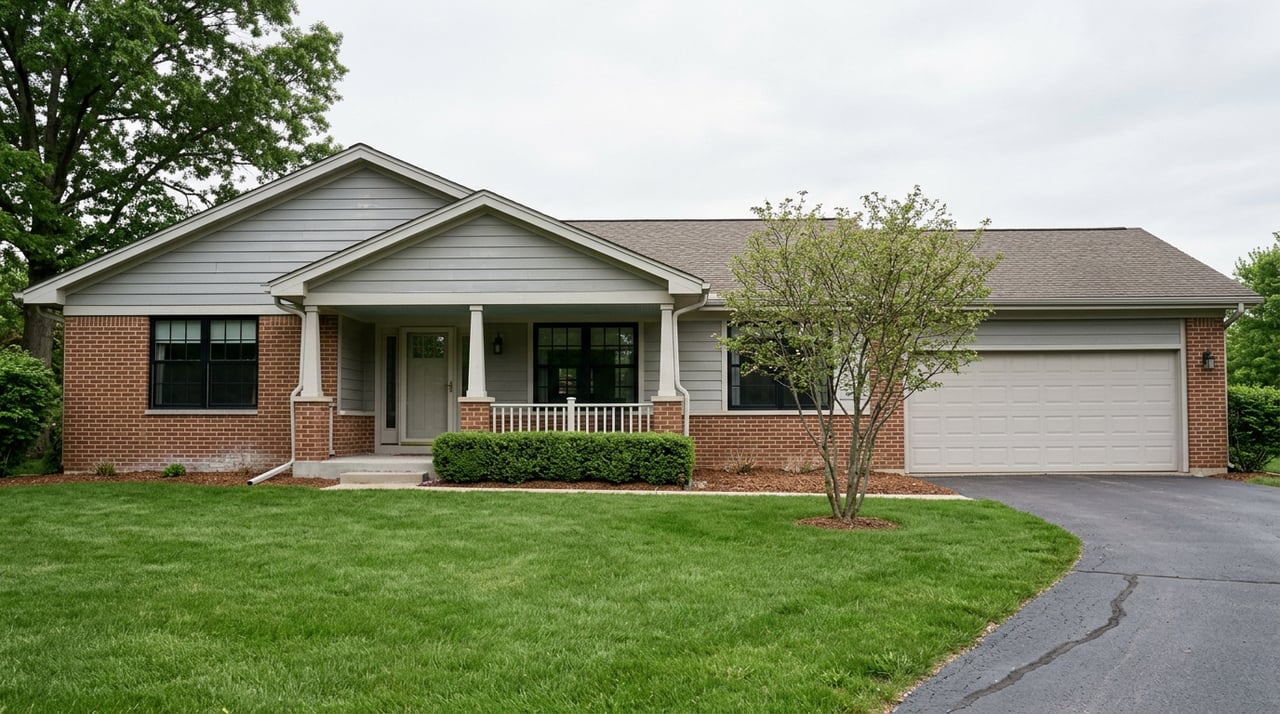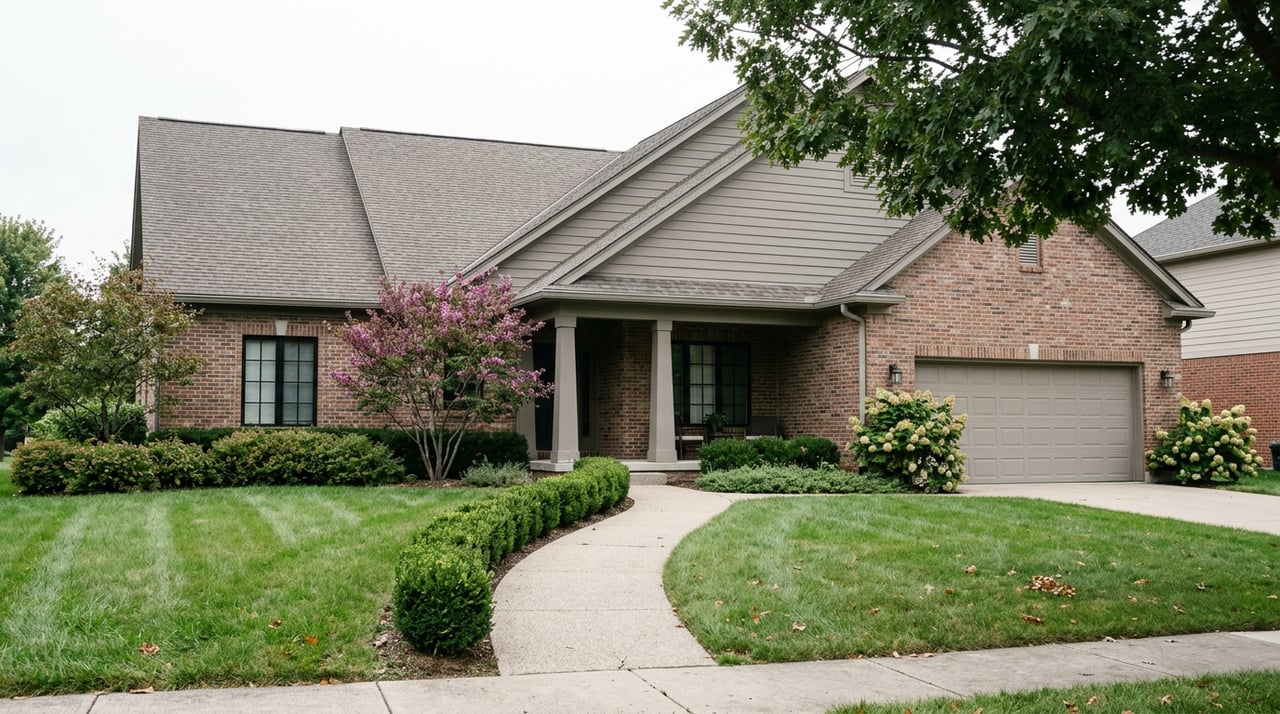
A Ballwin seller signs a contract, the buyer's inspector comes through with a clipboard and a flashlight, and everyone assumes that's the inspection that matters. It isn't. Before that house can legally change hands, the City of Ballwin has to sign off with its own occupancy inspection, and that inspection runs on a completely different set of rules than the one the buyer negotiated for. It can't be waived by either party. It doesn't care what the purchase contract says. And if it finds something, the finding doesn't go away just because the deal falls through.
That second inspection, not the one everyone prepares for, is often the real gatekeeper on a Ballwin closing date.
Two Inspections, Two Different Rulebooks
Ballwin requires an occupancy permit before a home can be sold or before a new occupant moves in. The city's own building department page lays this out plainly: an inspection has to happen and pass before ownership or occupancy changes hands. This isn't a buyer's contingency that either side can negotiate away. It's a city ordinance that sits underneath the private contract, running on its own timeline and its own standards.
The private inspection a buyer orders is about informing a purchase decision. It gives the buyer leverage to ask for repairs or a price adjustment, and if the deal falls apart, the findings usually stay between the two parties. The occupancy inspection has a different job. It exists to confirm the house meets Ballwin's housing code before anyone new lives in it, full stop, regardless of whether a sale ever closes.
That distinction sounds academic until a seller is staring down two different punch lists two weeks apart, one from a private inspector working for the buyer and one from a city inspector working for nobody but the code.
What the City Actually Checks, and What It Doesn't
Ballwin's own housing code documentation is specific about the limits of this inspection. It's visual only. Inspectors don't go into crawlspaces or attics, and they don't remove electrical panel covers or disassemble equipment to look inside. If a seller wants a more thorough look at those hidden spaces, the city recommends hiring a private inspector for that separately.
A limited visual inspection doesn't mean sellers can disregard code compliance, for two reasons. First, whatever the inspector does see during that visual walk-through, missing handrails, exposed wiring, a broken window, deferred exterior maintenance, becomes a code violation the moment it's written down. Second, and this is the part that catches people off guard, the city's own documentation states that the property owner is responsible for correcting every violation identified, even if the owner decides not to sell the house or change occupancy after all. Backing out of the deal doesn't make the violation disappear. The city already has it on record.
That single fact turns the occupancy inspection into something closer to a compliance filing than a courtesy walk-through. A seller who assumed they could just relist later if this deal falls through discovers the punch list follows the house, not the transaction.
Why Long-Time Owners and Inherited Homes Feel This the Most
Ballwin doesn't route its residential building code enforcement through St. Louis County the way some neighboring municipalities do. The city runs its own permit and inspection process for additions, basement finishes, and other residential work. That matters at resale because it means Ballwin keeps its own permit history, and gaps in that history surface during the occupancy inspection or during standard seller disclosure, not before.
For a longtime owner who added a deck in the nineties or finished a basement without pulling a permit at the time, that's a real cost to plan for, since retrospective permitting can mean opening up finished work for inspection before the city will sign off. For a family selling a home they inherited, it's a different kind of exposure. An executor often doesn't have decades of personal knowledge about what work was done, when, or whether it was permitted. the occupancy inspection surfaces what the city can see, which means the gap between those two things is exactly where delays and disputes tend to open up.
This is one of the clearest reasons to get a private, informal look at the house before listing, not to replace the city's inspection but to see it coming. A seller who knows about a code issue in June has options that a seller who finds out about it during closing week in October does not.
The Other Bill Waiting in the Line Item: Sewer Laterals
Occupancy isn't the only municipal program that catches sellers off guard, and it's a good example of why assuming "St. Louis County suburbs all work the same way" is a mistake.
Ballwin funds a Sewer Lateral Repair Program through a $28 annual fee added to each property owner's real estate tax bill, and as of the city's most recent program documentation, repairs are capped at $4,500. That's the number a Ballwin homeowner should know before assuming a failed sewer lateral is fully covered. A municipal comparison compiled for the City of Manchester's board put Ballwin side by side with its neighbors, and the contrast is worth seeing directly:
| City | Annual Fee | Repair Cap |
|---|---|---|
| Ballwin | $28 | $4,500 |
| Manchester | $50 | $6,000 to $10,000, as discussed in a Manchester council memo |
| Town and Country | $87 (or $7.25/month) | $8,500 |
A Ballwin seller who grew up assuming these programs are basically interchangeable across west St. Louis County suburbs is working from the wrong assumption. Ballwin's Building Commissioner has publicly noted that the $4,500 cap reflects the typical cost of a lateral repair at a common burial depth, and that deeper or in-street repairs run well past that number. If a sewer lateral issue shows up during a pre-listing check, that cap, not the buyer's expectations, is what determines how much of the repair actually gets covered.
Getting Ahead of the Clock
None of this means a Ballwin sale is harder to close than a sale anywhere else in the region. It means the sequence matters more than most sellers expect. The occupancy inspection is coming regardless of what the buyer's inspector finds, so the sellers who move through this smoothly are the ones who treat the city's inspection as the fixed point on the calendar and work backward from it, not the ones who wait to see what the buyer's side turns up first.
A private walk-through before listing, one that specifically checks the visible items the city inspector will check, handrails, exterior condition, obvious electrical or plumbing issues, gives a seller time to fix what's fixable on their own schedule instead of the city's. For a home with any history of unpermitted work, that same walk-through is the moment to find out whether retrospective permitting needs to start now rather than during closing week.
Quick Answers
Does the buyer's private inspection replace the occupancy inspection? No. The occupancy inspection is a city requirement independent of the contract, and it still has to happen before the sale can close.
If the sale falls through after the occupancy inspection finds violations, do I still have to fix them? According to Ballwin's own housing code documentation, yes. The obligation to correct cited violations belongs to the property owner regardless of whether the sale proceeds or a new occupant ever moves in.
Does the occupancy inspection cover sewer laterals? No. The occupancy inspection and the Sewer Lateral Repair Program are separate city functions with separate rules, fees, and processes. A clean occupancy inspection says nothing about whether a lateral line is in good condition.
If you're planning a sale in Ballwin, especially one involving a home you've owned for decades or one you're settling as part of an estate, the sequence of inspections is worth mapping out before the sign goes in the yard. Kim Benda and Angela Jett at Senior Property Advisors work through exactly this kind of timing with sellers across the St. Louis metro, on both sides of the river, and can help you figure out what to check first, what to fix now, and what can wait until after closing.
This article is general information, not legal, tax or financial advice. Consult a qualified professional about your situation.