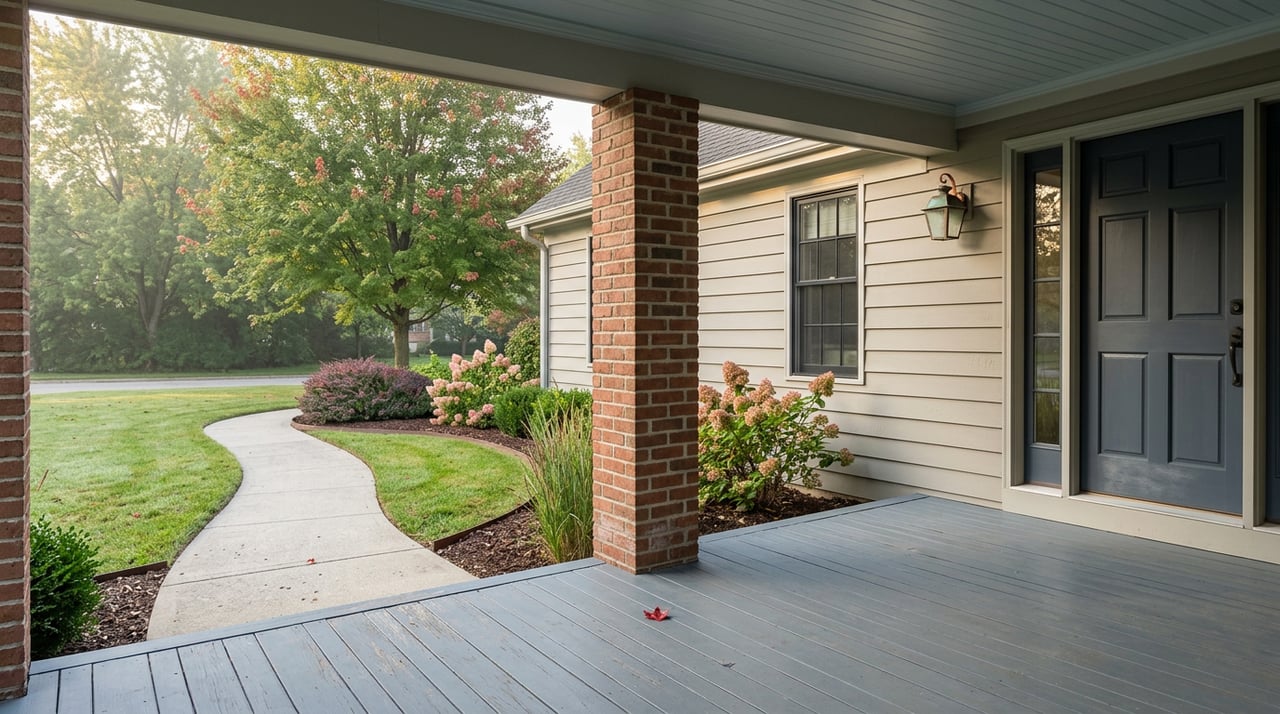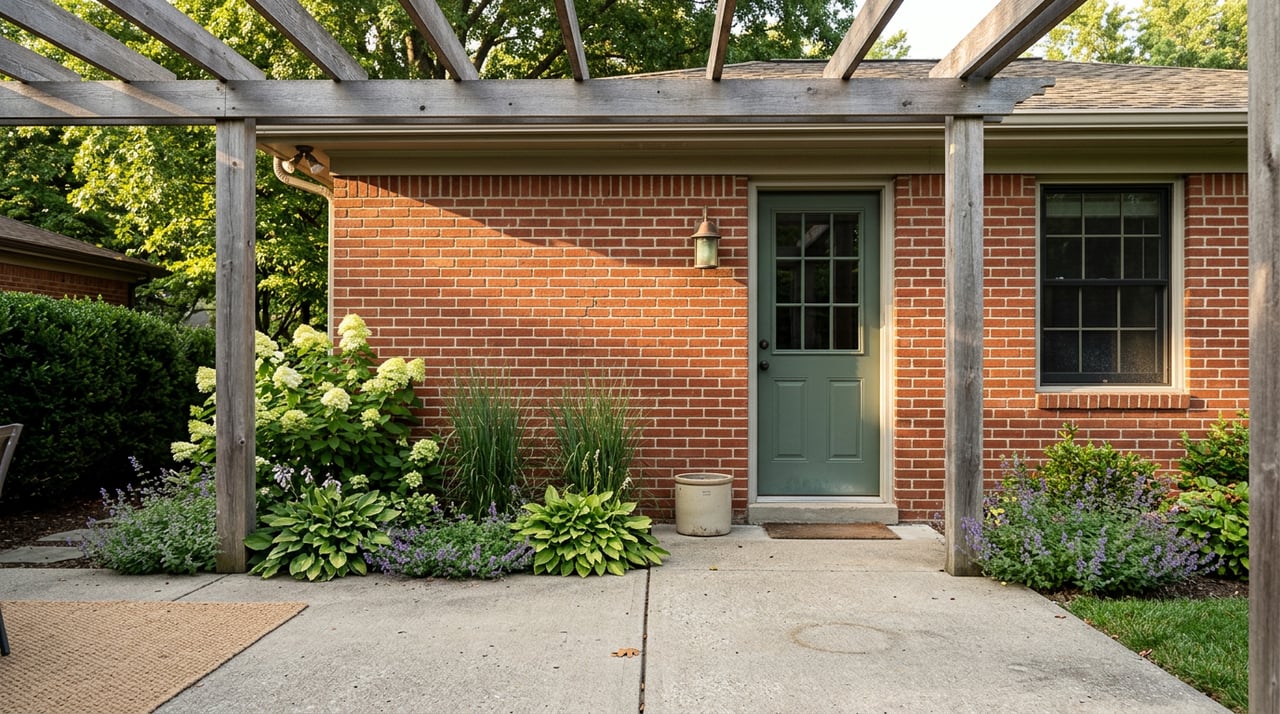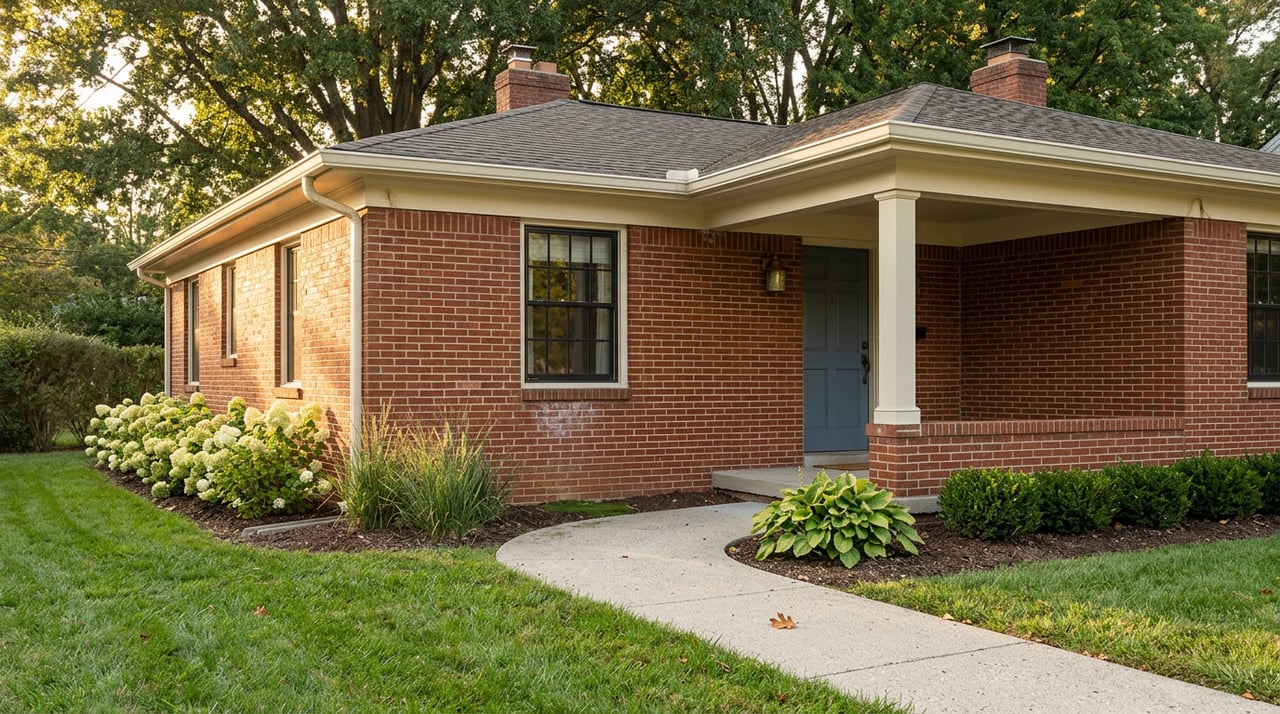
You get the keys before you get the authority. That's the part almost nobody explains when a parent's brick bungalow in Affton becomes yours to deal with. You can walk through the rooms, sort the closets, call the utility company. What you cannot do, no matter what the will says or how much your siblings agree, is sign a listing agreement. Not yet.
That gap between holding the keys and holding legal authority is where most families lose weeks they didn't know they had to spend. And it's just the first of several clocks running in the background of an Affton probate sale that have nothing to do with how fast the house actually sells.
Being Named Executor Doesn't Mean You Can Sell Anything
A will can name you executor. That naming, on its own, does not give you the power to act. Missouri law treats nomination and appointment as two separate events, and the difference matters the moment a buyer, lender, or title company asks who has authority to sign. That authority begins only when the probate court issues Letters Testamentary, if there's a will, or Letters of Administration if there isn't one. A Missouri elder law firm that handles St. Charles and St. Louis County estates puts it plainly: agreement among the children does not substitute for appointment, and possession of the original will does not create signing authority.
In practice, getting appointed in St. Louis County typically takes a few weeks after the petition is filed, not the same afternoon you find the will in a kitchen drawer. Families who list before appointment, or who verbally promise a buyer a closing date before letters are issued, are the ones who end up renegotiating terms later.
Two Paths Through Probate, and They Don't Move at the Same Speed
Once you're appointed, the estate is administered one of two ways, and which one you're in changes how the sale actually works.
Under independent administration, the personal representative can list the property, accept an offer, and move toward closing without asking the court's permission at each step. This path opens up when the will authorizes it or when everyone with an interest in the estate agrees to it.
Under supervised administration, the personal representative needs the court's approval before selling real estate. That usually means a confirmation hearing gets added to the calendar before a contract can close, and court dockets don't move on a buyer's timeline.
Neither path is wrong. But confusing the two, or assuming you're in one when the court has you in the other, is where an accepted offer stalls for weeks while someone sorts out whose signature actually counts.
The Six-Month Clock That Doesn't Care How Fast the House Sells
This is the piece that catches families off guard even when everything else goes smoothly. Once the personal representative publishes a Notice to Creditors in a local newspaper, Missouri law gives creditors six months from that publication date to file claims against the estate. That window can't be shortened, waived, or skipped no matter how cooperative the family is or how quickly a buyer shows up. Under Missouri's probate statute governing creditor claims, RSMo § 473.360, claims filed after that window generally lose their right to collect, which is exactly why the law builds in the waiting period. It protects the estate from a claim surfacing after the money has already been divided.
Here's the part that matters for an Affton seller specifically: you can sell the house during that six-month window. What you can't do is finish distributing the proceeds to heirs until the window closes and any claims are resolved. A house can sell in three weeks in a competitive Affton market and the family can still be waiting months to actually receive their share, because the sale and the estate's closure are two different finish lines.
What a Realistic Affton Timeline Actually Looks Like
Multiple probate-focused accounts of how this plays out in St. Louis County land on similar ranges, and laid end to end they explain why full administration commonly runs nine to fifteen months from death to final distribution, longer in St. Louis City and County courts when scheduling backs up.
| Stage | Typical Range |
|---|---|
| Appointment as personal representative | 2 to 6 weeks |
| Appraisal for pricing | 1 to 3 weeks |
| Court approval to sell (supervised estates only) | 2 to 6 weeks |
| Finding a buyer, open market | 30 to 90 days |
| Finding a buyer, cash offer | 7 to 14 days |
| Closing, financed buyer | 30 to 45 days |
| Closing, cash buyer | 7 to 14 days |
| Creditor claim window (runs concurrently) | 6 months minimum from notice publication |
Stack the fastest version of every stage and a cash sale with cooperative heirs can close in three to four months from the date of death. Stack the ordinary version, open market listing, financed buyer, no disputes, and five to eight months is more typical. Add a contested will or disagreeing heirs and you're looking at a year or more.
Why the Median Price Debate Matters Less Than You'd Think
Affton's price data has been telling two different stories depending on which snapshot you catch. Numbers from late 2025 showed the median sale price softening year over year. More recent reporting through mid-2026 describes typical Affton homes trading in the mid $200,000s to around $300,000, with prices reported up roughly 10 percent over the same period and per-square-foot values in the high $190s to low $200s. As of June 2026, Affton homes were listed at a median of $299,900, spending about 20 days on the market. Two credible readings of the same neighborhood, pointing in different directions, is exactly the kind of noise that makes sellers freeze while they wait to see who's right.
For an estate, that debate matters less than it feels like it should. Inherited property gets a stepped-up basis, meaning the home's tax basis resets to its fair market value on the date of death rather than whatever the original owner paid decades ago. That single rule often erases most or all of the capital gains tax exposure on a sale, regardless of whether Affton prices moved up or down in the past year. The urgent question for an executor isn't which median to believe. It's getting a defensible appraisal at the time of death and pricing the actual house in front of you, not the market's mood.
The Condition Question Nobody Wants to Ask First
Affton's housing stock is part of what makes this neighborhood affordable and appealing: sturdy mid-century brick bungalows and ranches across established pockets like Marlborough Gardens, Indian Hills, Gravois Weber Park, and Forest Heights. It's also exactly the kind of housing stock where a probate sale runs into surprises. A house that's been lived in by one owner for thirty or forty years tends to carry more deferred maintenance than the family remembers, dated kitchens, aging HVAC, a roof that's due. None of that has to be fixed before listing. It does have to be priced honestly, and disclosure gets more complicated when the executor genuinely doesn't know the property's full history the way a longtime owner would.
A vacant home also costs the estate money every month it sits unsold, insurance, utilities, upkeep. That carrying cost is often the real argument for moving faster rather than holding out for a slightly higher offer.
FAQ
Does every inherited house in Missouri have to go through probate? Not if it passes outside the estate entirely, such as through a living trust, a transfer-on-death deed, or joint ownership with right of survivorship. Solely owned property titled in the deceased person's name generally does need to go through probate before it can be sold.
What if the estate is small? Missouri offers a simplified affidavit process for estates valued at $40,000 or less, which can move faster than full administration, though a bond and creditor notice may still apply if personal property exceeds $15,000.
Can heirs sell the house before the six-month creditor window ends? Yes. The sale itself can proceed during that window. What has to wait is the estate's final distribution of proceeds to heirs, which can't happen until the window closes and any valid claims are resolved.
If you're the one holding the keys to a house in Affton right now and you're not sure whether you're the executor yet, that's a normal place to start from. Senior Property Advisors works alongside families through exactly this kind of transition, from the first conversation about what the estate actually requires through the day the house finally closes.